Published 15 April 2026. Last updated .
If your house, garage, or commercial building was built before 1990, Ontario law requires a pre-demolition asbestos survey before any residential home demolition services or professional interior strip-out project begins. Most property owners hear this for the first time when a contractor refuses to start work without the report. The good news is that the survey process is straightforward, the costs are generally predictable, and getting it done upfront protects you from massive liabilities if hazardous materials turn up mid-tear-down.
Here is exactly what a hazardous materials assessment involves for an average Greater Toronto Area project.
Ontario Asbestos Abatement Laws
Ontario Regulation 278/05 (Designated Substance, Asbestos on Construction Projects and in Buildings and Repair Operations) requires the owner of any building constructed before 1990 to complete a Designated Substance Report (DSR) before tendering or starting work. Securing this report goes hand-in-hand with understanding what permits you need for a demolition project. Asbestos is one of eleven designated substances, with others including lead, mercury, and silica.
The survey must be performed by a competent professional, and the report must be provided to every contractor bidding on the work. This document dictates the safe removal scope, worker protection plans, and strict disposal requirements.
What Residential Pre-Demolition Asbestos Surveys Cover
A certified surveyor walks the property, identifies materials likely to contain asbestos, takes physical samples, and sends them to an accredited lab. On an average 2,000 sq ft pre-1990 Toronto home demolition project, expect roughly 15 to 35 samples. Common materials tested include:
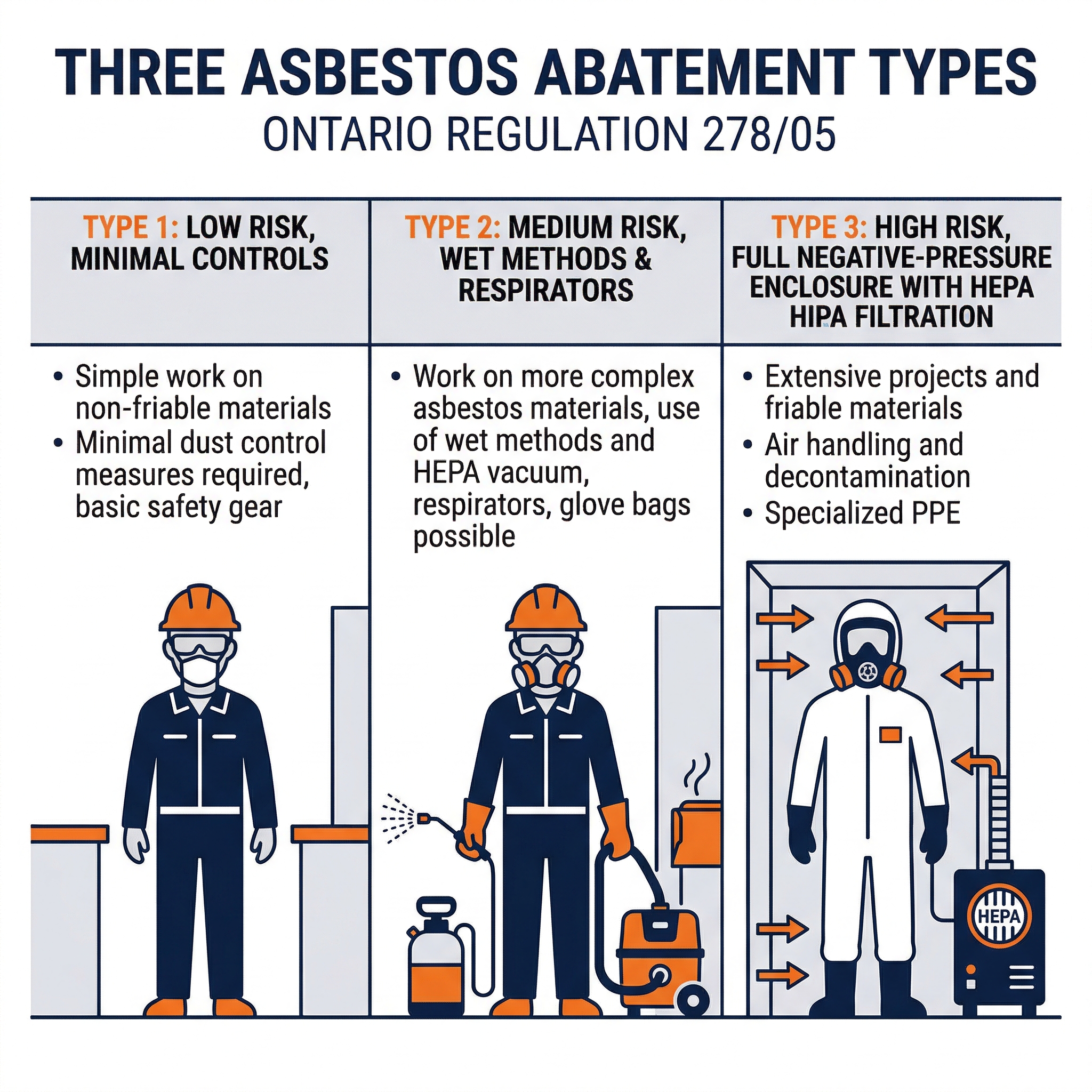
- Vermiculite attic insulation: Loose-fill granular insulation.
- Textured ceilings: Popcorn and stipple ceilings are common in older builds.
- Vinyl floor tiles: Especially 9-inch tiles and the black mastic adhesive underneath.
- Sheet vinyl backing: The fibrous padding on older flooring.
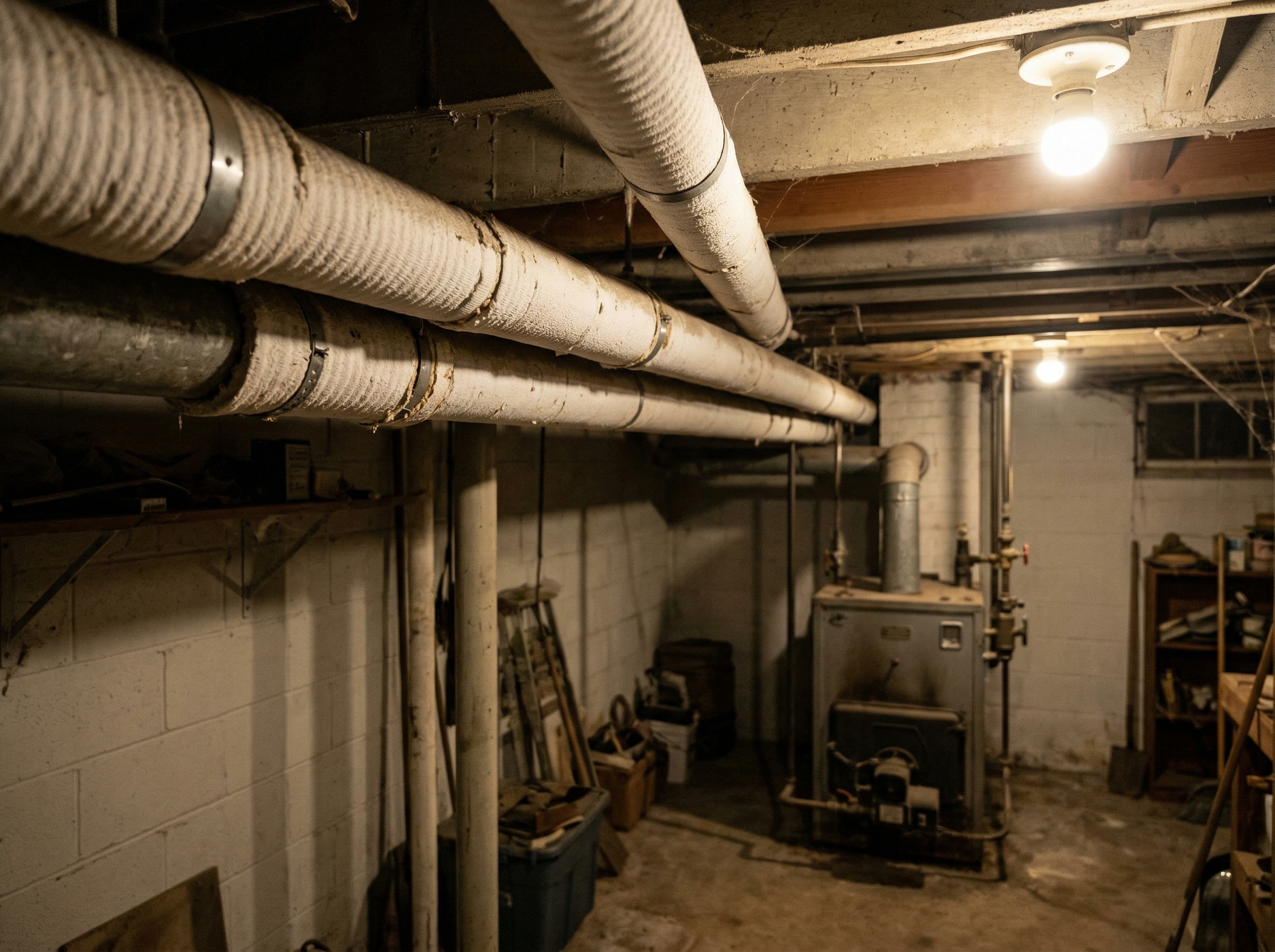
- Pipe insulation: White corrugated wraps around old steam pipes.
- Drywall joint compound: Pre-1980 joint compound and texture coats.
- Cement board (transite): Used in siding panels and soffits.
Asbestos Abatement Risk Types
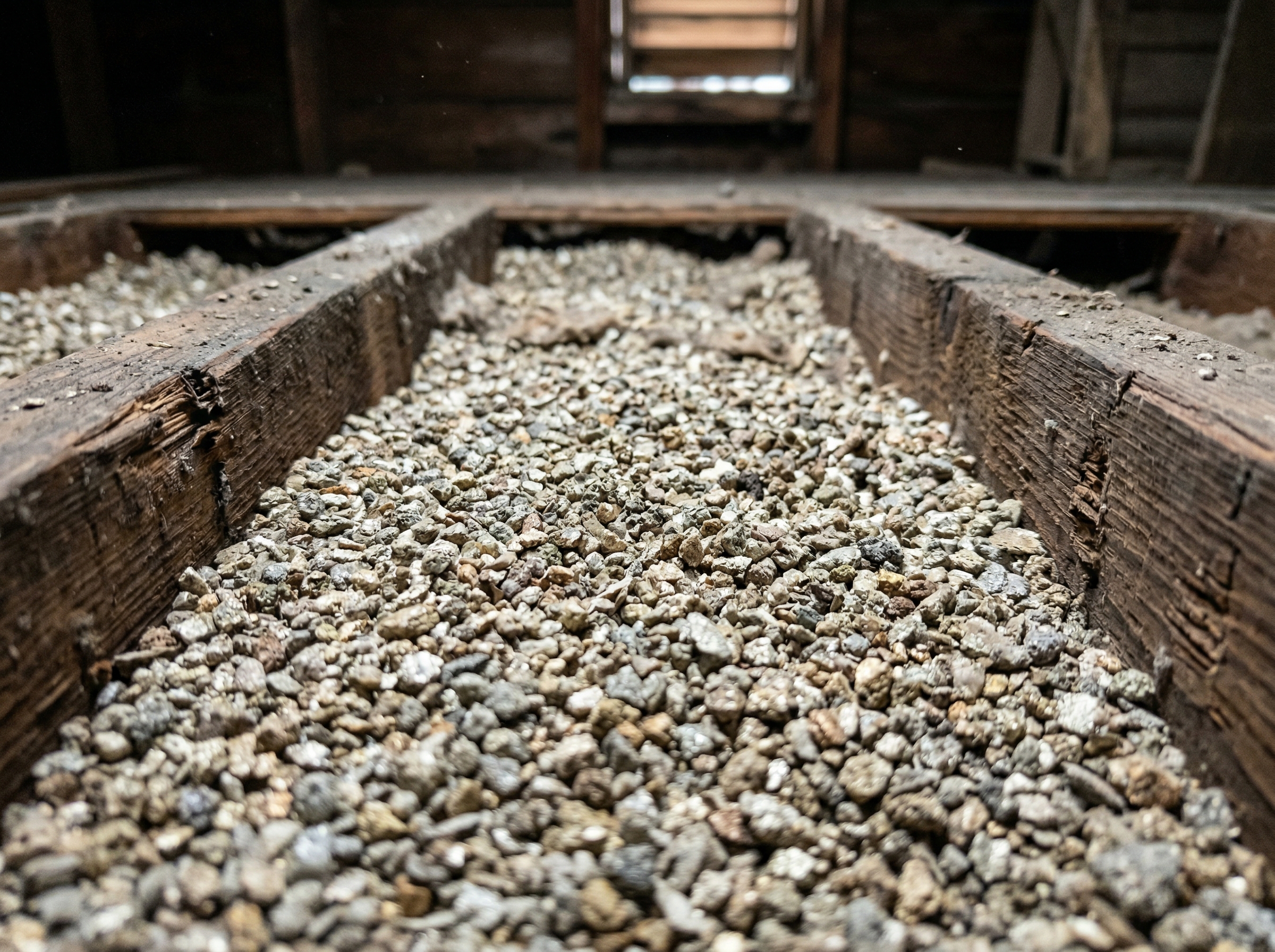
For each confirmed material, the lab report assigns an abatement “Type.” This categorizes the risk level and dictates the safety measures the removal crew must follow.
| Abatement Type | Risk Level | Typical Materials | Safety Requirements |
|---|---|---|---|
| Type 1 | Low | Small, non-friable materials | Minimal controls, no negative-pressure needed. |
| Type 2 | Medium | Popcorn ceilings, vinyl tiles | Wet methods, mandatory respirators, restricted access. |
| Type 3 | High | Vermiculite, boiler stripping | Full HEPA enclosures, daily air monitoring, Ministry notification. |
Approximate Pre-Demolition Asbestos Survey Costs
Because every property is unique, exact prices vary. However, a standard residential pre-demolition asbestos survey in the GTA typically averages around $800 to $2,500 for a single-family home. For commercial building demolition services, estimates are calculated based on square footage and building complexity.
If extensive Type 3 removal is required (like complex vermiculite remediation), removal costs for a standard attic generally average between $8,000 and $25,000, depending on access and volume.
Risks of Skipping Surveys
Bypassing this legal requirement leads to serious consequences. If you want a deeper dive into the removal process, you can read our guide on how to handle asbestos during a demolition project. Otherwise, here is what happens if you skip the initial survey:
- Contractor Refusals: Reputable companies will refuse to bid or start work without a valid report to avoid legal liability.
- Mid-Job Shutdowns: The Ministry of Labour can issue immediate stop-work orders if suspect materials are found. Your project schedule could slide by 2 to 6 weeks.
- Severe Legal Penalties: Exposing workers or the public to airborne asbestos carries massive fines under the Occupational Health and Safety Act, potentially reaching millions for corporations.
Pre-Demolition Quick Checklist:
- Verify your property’s build year.
- Hire a certified DSR surveyor (CIH or ROH).
- Allow 5-10 business days for lab results.
- Provide the final DSR to your demolition contractor.
Asbestos Testing Timeline Steps
You should book your survey as soon as you decide to renovate or demolish, ideally at least 4 weeks before the start date. The typical timeline looks like this:
- Site Visit: 2 to 4 hours for an average home.
- Lab Analysis: Usually takes 5 to 10 business days.
- DSR Delivery: Written report is provided to the owner.
- Pricing: Your demolition contractor reviews the abatement scope.
- Notification: If Type 3 work is needed, the Ministry requires a 24-hour notice.
- Clearance: Abatement is completed and air quality is tested.
- Tear-Down Begins: Demolition proceeds safely.
Start Your Demolition Right With Pre-Demolition Asbestos Survey
The smoothest GTA demolition projects share one common trait: hazardous material testing is completed early, removal is properly scoped, and budgets are approximated upfront. Almar Demolition coordinates with trusted local surveyors to ensure your pre-1990 project stays legal and safe. Request a free project estimate today, and our team will guide you through the entire testing, abatement, and tear-down process seamlessly.
Frequently Asked Questions
Does my house need a survey if it was built after 1990?
The regulation strictly requires the survey for buildings constructed before 1990. While post-1990 buildings aren’t legally mandated to have one, a quick visual inspection by a professional is still a highly recommended practice for any structure older than 15 years.
Can I do the survey myself?
No. Ontario law requires a “competent person,” which carries a legal definition involving formal training and certifications. Sampling friable materials without proper HEPA protection poses a massive health risk to you and your family.
What if vermiculite is found in my attic?
You generally have two options: leave it completely undisturbed (which is only legal if your renovation won’t touch it), or hire certified professionals for a Type 3 abatement. Regular contractors cannot legally vacuum or handle vermiculite.
Does the survey find lead paint too?
Yes. A Designated Substance Survey covers all eleven regulated hazardous materials, meaning lead paint testing is usually conducted during the same site visit. Mould testing may require a separate scope depending on the firm.
How long is a survey valid?
A pre-demolition asbestos survey is valid specifically for the project scope it was written for. However, if your project plans change significantly, or if work is delayed by more than 12 to 24 months, contractors will generally ask for an updated refresh visit.