Published 16 June 2026. Last updated .
When you think of demolition, you might picture a wrecking ball levelling a building. But for most interior renovations and commercial retrofits in Toronto, the real work begins with a more precise, surgical process. So, what is soft demolition? It’s the strategic removal of a building’s non-structural components, a critical first step in any major redesign. These are the kinds of home demolition services you can trust to prepare your space for its next chapter without compromising its structural integrity.
This process, also known as a ‘soft strip’ or ‘interior demolition’, focuses on clearing out elements like walls, ceilings, flooring, fixtures, and insulation. It leaves the building’s skeleton, its structural frame, completely intact and ready for the construction team to build upon. It’s the clean slate every successful renovation project needs.
Defining Soft Demolition: The Art of Non-Structural Teardowns
Soft demolition is the methodical process of dismantling and removing the interior and exterior finishes of a building. Unlike hard demolition, which involves heavy machinery to tear down the entire structure, a soft strip is all about finesse. The goal is to gut a space, preparing it for a complete overhaul, repurposing, or renovation.
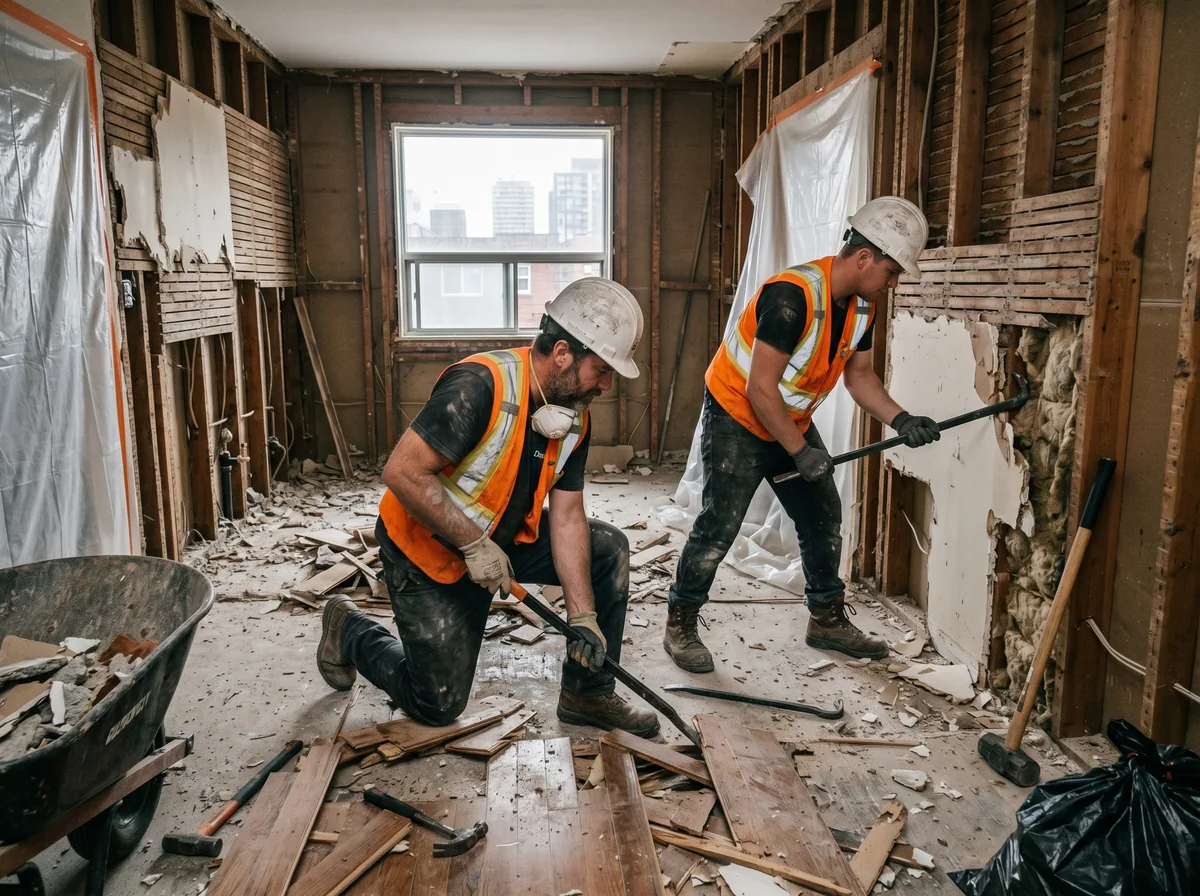
Think of it as peeling an orange. You carefully remove the outer layer without damaging the fruit inside. In this case, the ‘fruit’ is the load-bearing walls, columns, beams, and foundation of your property. This selective approach is essential for projects within existing buildings where the core structure must be preserved.
The scope can range from removing a single kitchen to stripping multiple floors of a commercial high-rise. It’s a key phase that bridges the gap between the old design and the new vision for a space, ensuring a clean and safe environment for the next trade on site.
Soft Demolition vs. Hard Demolition: A Comparison
The clearest way to understand soft demolition is to put it next to its opposite. Hard demolition, the mechanical kind, is about speed and force. Soft demolition is about selection and care. Most renovation projects use soft demolition; most tear-downs use hard demolition; and a surprising number of jobs use both, soft first to remove hazards and salvageable material, then hard to bring the shell down.
| Soft demolition | Hard demolition | |
|---|---|---|
| What it does | Removes the interior, keeps the structure | Brings the whole structure down |
| Main tools | Pry bars, hand saws, dust barriers | Excavators, high-reach booms, breakers |
| Best for | Renovations, fit-outs, gut jobs | Tear-downs, new builds, lot clearing |
| Speed | Slower, room by room | Fast, whole-structure |
| Material salvage | High, fixtures and finishes saved | Low, mostly crushed and hauled |
Pricing note: The figures on this page reflect typical market rates in Toronto and the GTA as of 2026. What you actually pay depends on the size of the structure, site access, the disposal and tipping fees that apply, and whether a designated substance survey or abatement is needed first. Always get a written, on-site quote before you commit.
Notice that the two are not really competing. They answer different questions. The question soft demolition answers is: how do I clear this space without losing the building? Once you know which question you are asking, the choice makes itself.

When Is Soft Strip Demolition the Right Choice for a Project?
Soft demolition is the go-to solution for a wide range of projects across the Greater Toronto Area. If you aren’t levelling the building, you likely need a soft strip first. It’s the standard procedure for breathing new life into an existing structure.
- Commercial Office Retrofits: When a company moves into a new office, a soft strip is used to remove old cubicles, carpets, dropped ceilings, and partitions to create a modern, open-concept workspace.
- Residential Renovations: Before you can build your dream kitchen or do a demo for a bathroom, the old one must go. Soft demolition involves gutting the space down to the studs, removing old cabinets, tile, tubs, and fixtures.
- Retail Space Turnovers: As tenants change in malls and on high streets, the old store’s branding, shelving, and custom fittings are stripped out to provide a blank canvas for the incoming business.
- Heritage Building Updates: To restore a historical building, crews carefully perform soft demolition to remove non-original, modern additions while preserving the unique architectural character of the property.
People often ask
“Can you just leave the kitchen wall?” Yes, that is the whole point of soft demolition. We remove what you tell us to remove and protect the rest. If a wall, floor, or fixture is staying, it gets covered and worked around, not knocked out by accident.
The Step-By-Step Process of a Professional Soft Demolition
A professional soft demolition isn’t just about swinging hammers. It’s a calculated, multi-stage process designed for safety, efficiency, and cleanliness. At ALMAR, we follow a proven system to ensure every project is prepped perfectly for the next phase.
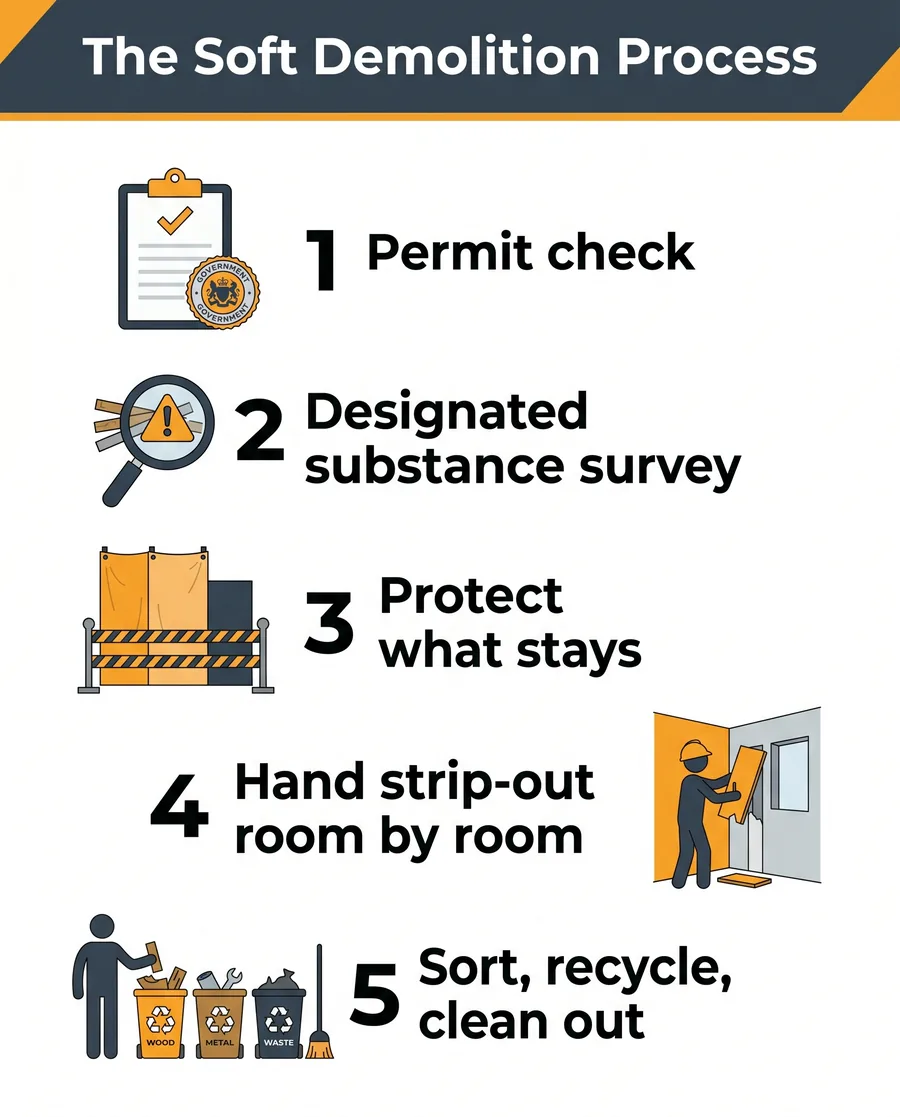
- Site Assessment and Planning: Our team first inspects the site to identify which components are structural versus non-structural. We also check for hazardous materials like asbestos or lead paint that require specialized abatement procedures.
- Utility Disconnection: Safety is paramount. Before any removal begins, we ensure that all electrical, plumbing, and HVAC systems in the work area are properly shut off, disconnected, and secured by qualified technicians.
- Controlled Removal: Our crew systematically dismantles and removes materials. We work from the top down, carefully taking out ceilings, then walls, and finally flooring to control dust and debris.
- Debris Sorting and Removal: As materials are removed, they are sorted on-site into different waste streams. Wood, metal, drywall, and concrete are separated for recycling, minimizing the amount of waste sent to landfill.
- Final Site Sweep: Once the demolition is complete, we perform a thorough cleanup. The site is left broom-swept and free of debris, providing a safe and ready environment for your construction contractors to begin their work.
Preparing Your Building for Renovation with Selective Demolition
Proper preparation can make a huge difference in the timeline and cost of your renovation. Before the demolition crew arrives, clear communication is essential. Walk through the site with your demolition contractor and clearly mark what needs to be removed and, just as importantly, what must be protected and preserved.
You should also verify your project’s requirements for Toronto building permits. While a simple cosmetic update might not need one, any work that alters plumbing, electrical systems, or structural components will. A professional demolition company can help you understand what’s needed for your scope of work. Taking these steps upfront prevents misunderstandings and costly delays down the road.
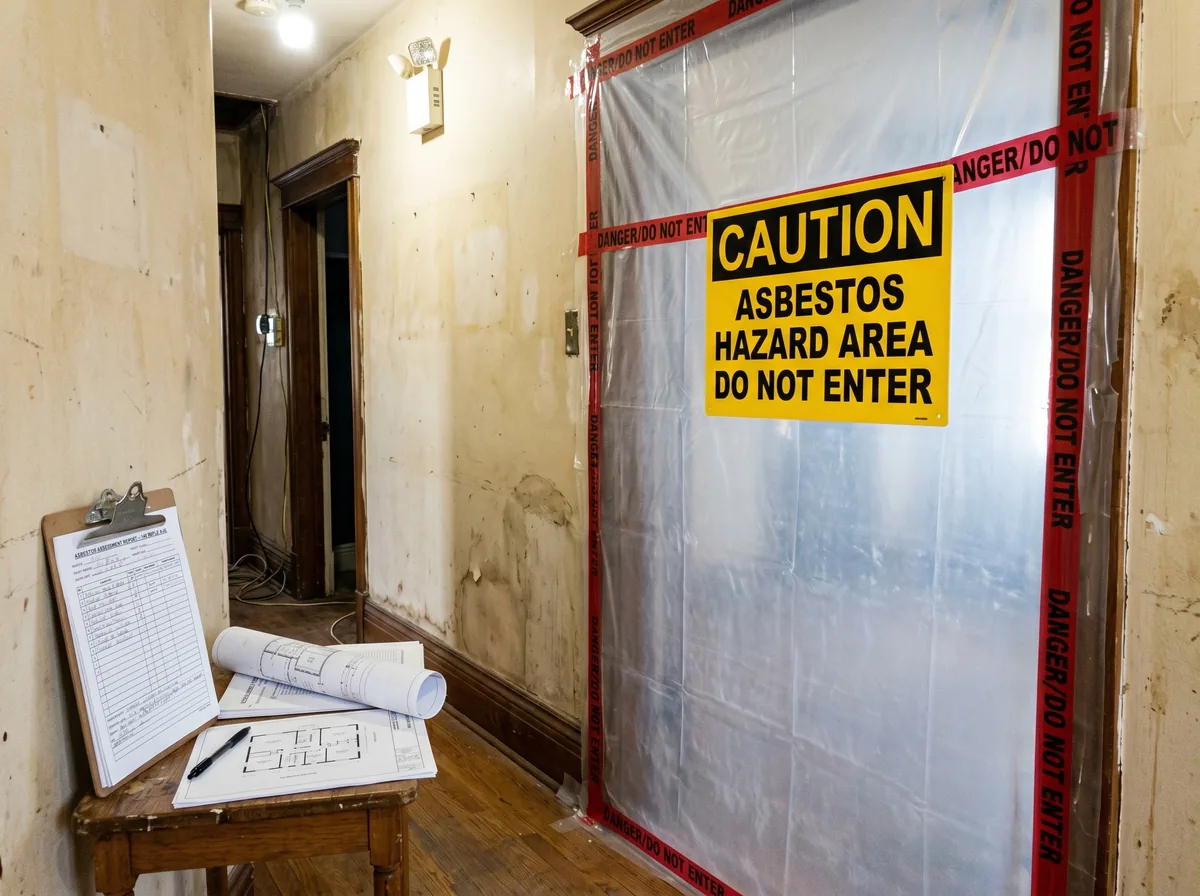
Safety and permit notice: This article is general information, not a permit or a substitute for professional advice. Almar Demolition GTA is not responsible for any injury, damage, or cost from action taken based on it. Most demolition in Toronto and the GTA needs a City of Toronto building permit before work starts. Any building put up before 1990 may hold asbestos or other designated substances, so it needs a designated substance survey under Ontario Reg 278/05 and removal by a licensed abatement contractor before any tear-down begins. When in doubt, stop and call a licensed demolition contractor.
Why Hiring a Professional for Non-Structural Demolition in Toronto Is Essential
A DIY approach to soft demolition might seem like a way to save money, but it often leads to bigger problems. The risks are significant, from personal injury to accidentally cutting into a live wire or plumbing line. You could even unknowingly damage a load-bearing wall, creating a serious structural hazard.
A professional crew brings the right tools, extensive safety training, and proper insurance to the job. We know how to manage dust, handle unexpected discoveries, and dispose of all waste in compliance with local regulations. Investing in a professional service is not just about convenience, it’s about ensuring the job is done safely, correctly, and efficiently. If you want to see how our team handles complex projects, you can check out our recent projects across the GTA.
Whether you’re renovating your home in Scarborough or retrofitting a commercial space in Mississauga, understanding the role of soft demolition is the first step. When you’re ready to create a clean slate for your next project, our team is here to help. Contact us today to book a free, no-obligation quote and get your project started on the right foot.