
Published 18 August 2026. Last updated .
What happens to the wall you share with your neighbour when you tear down your half of a semi? That question sits at the centre of any party wall demolition, and it is why taking down half of a semi-detached home is not the same as a standalone residential teardown across the GTA. The shared wall stays. Your neighbour’s home stays. And that changes how the whole job has to be planned.
This guide walks through what a party wall actually is, how the demolition is handled, the notice and agreement basics that keep things civil, and where permits and professionals come in. It is general education for Toronto and GTA homeowners, not legal advice, so treat it as the background you bring to your contractor, your neighbour, and your city.
In This Article
What a Party Wall Actually Is in a Semi
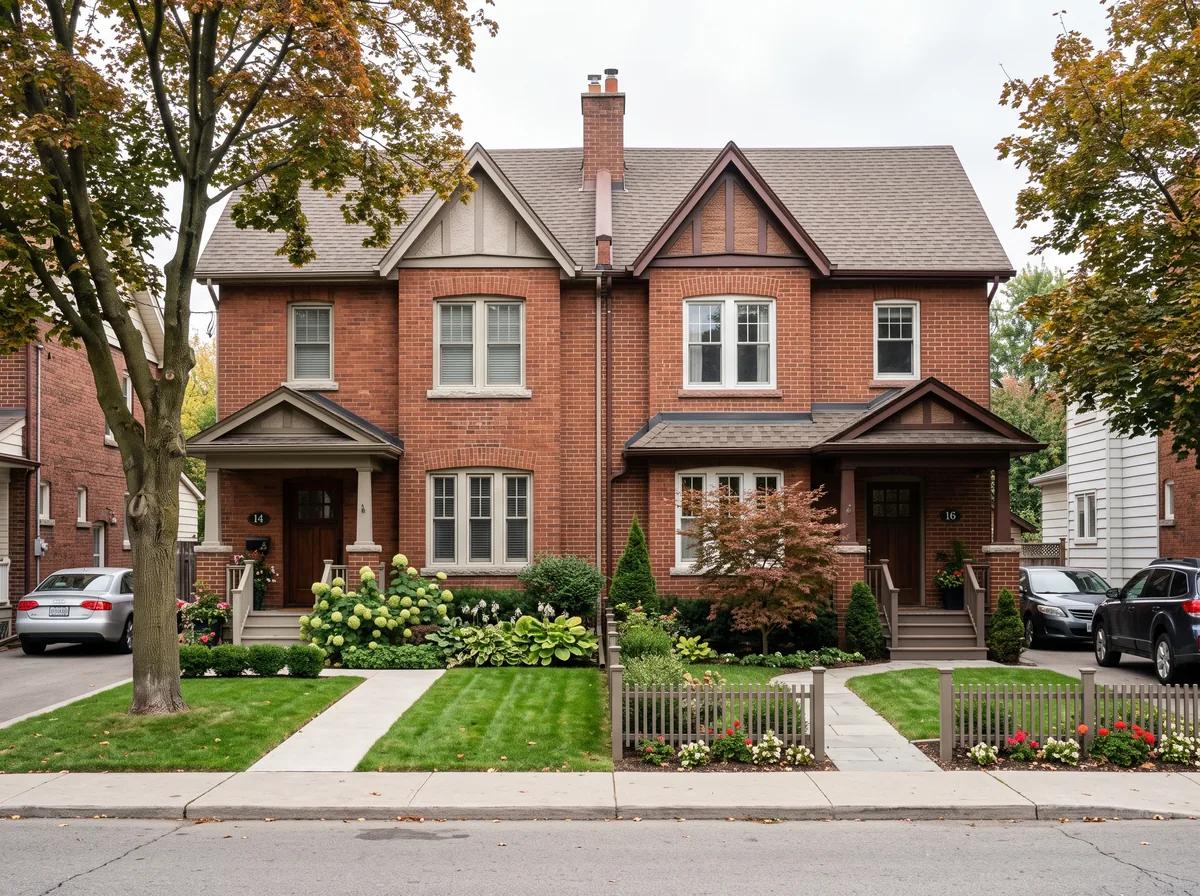
A party wall is the single wall two homes share along their common boundary. In a semi-detached house, it is the wall down the middle: your neighbour’s living space is on one side and yours is on the other. Structurally, both halves often lean on that wall, and it usually doubles as a fire separation between the two units. That is the part people underestimate.
Because the wall is shared, it is not fully yours to do with as you please. When you demolish your side, that wall has to stay standing, stay supported, and stay weathertight for the neighbour who is keeping their home. Everything about a semi-detached demolition flows from that one constraint.
Did You Know?
The term ‘party’ in party wall has nothing to do with celebrating. It comes from an old legal meaning of ‘party’ as a shared or divided interest. A party wall is simply a wall in which two separate owners each have rights, which is exactly why one owner cannot treat it as ordinary demolition material.
How Party Wall Demolition Works in Toronto and the GTA
The mechanics of a party wall demolition are really about protecting the half that stays. A good crew plans the work backwards from the shared wall, not forwards from the easy stuff. Two ideas matter most.
The Shared Wall Stays, Your Half Comes Down
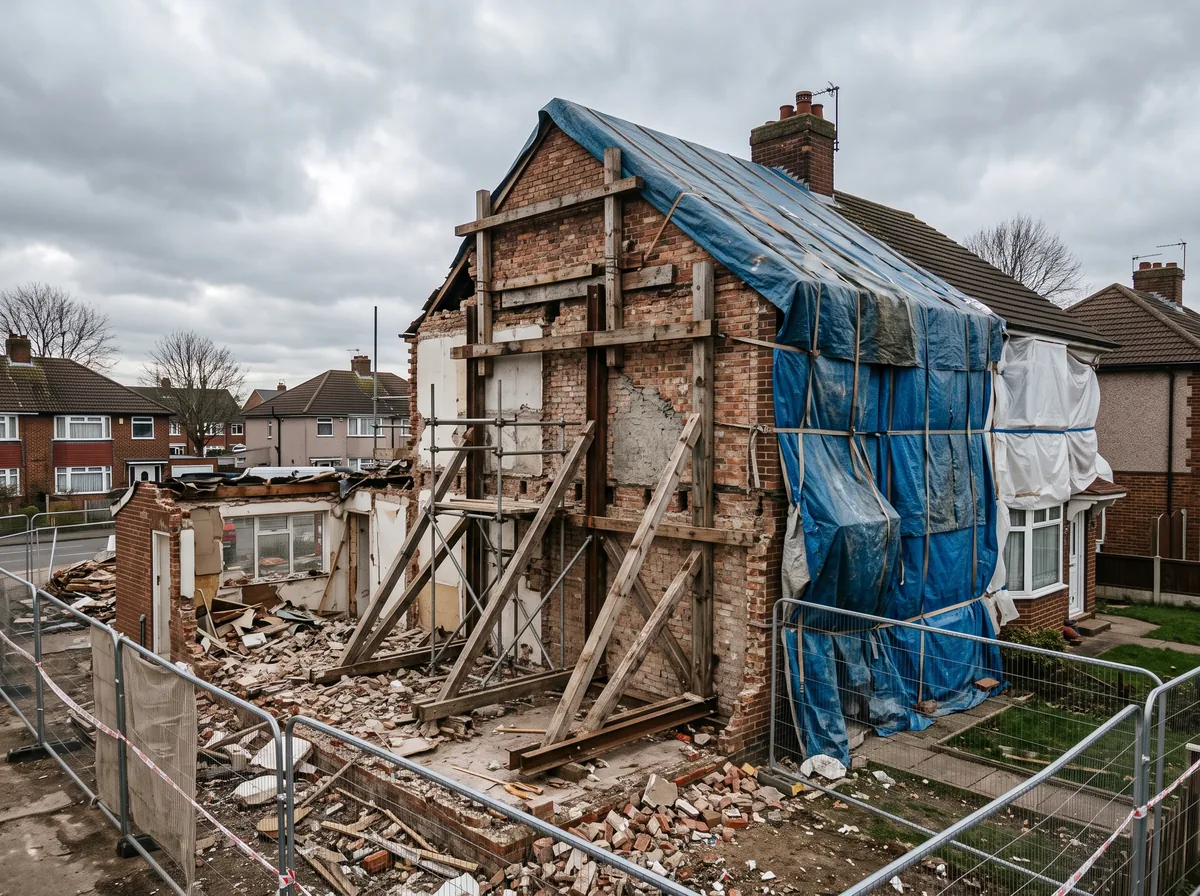
In most semi-detached teardowns, the party wall is left in place and becomes the new exposed exterior wall of the neighbour’s home. Your structure is separated from it carefully rather than ripped away, so the shared wall keeps its integrity and the home next door is not disturbed. Deconstructing near that line is slower and more deliberate than a standalone demolition, and that is by design.
Support and Weatherproofing During the Work
Once your half is gone, the party wall is suddenly doing a job it never did before: being an outside wall. During the work, the contractor braces and shores the wall so it does not move, then it gets sealed, insulated, and clad so the neighbour is not left with a cold, leaking surface. This is also where a shared load-bearing element makes the job specialised, so read up on removing a shared structural wall before you assume it is a simple knock-down.
People Often Ask: Can I Demolish My Half Without My Neighbour’s Say-So?
Practically, no. Even where a formal agreement is not strictly required, you cannot damage or expose your neighbour’s home without consequences, and you will usually need access or protection arrangements on their side. Getting written agreement up front is far easier than sorting out a dispute after a wall has already been opened up.
Notice, Agreements, and Talking to Your Neighbour
Ontario does not have a single dedicated party wall statute the way some countries do, but that does not mean you can skip the neighbour. Property law, your municipality’s permit process, and plain common sense all point to the same first step: talk to the owner next door early and get the important points in writing.
A simple written agreement covers who does what, how the shared wall will be protected, and what access each side needs. It also records the condition of their home before work starts, which protects both of you if a crack or a leak shows up later. When the municipality processes a demolition on a shared structure, adjoining owners are often notified anyway, so surprises help nobody.
Quick Take
Talk to your neighbour before you talk to the wrecking crew. A short written agreement on protection, access, and before-and-after condition prevents the vast majority of semi-detached demolition disputes, and it makes the permit process smoother too.
Who Is Responsible for What
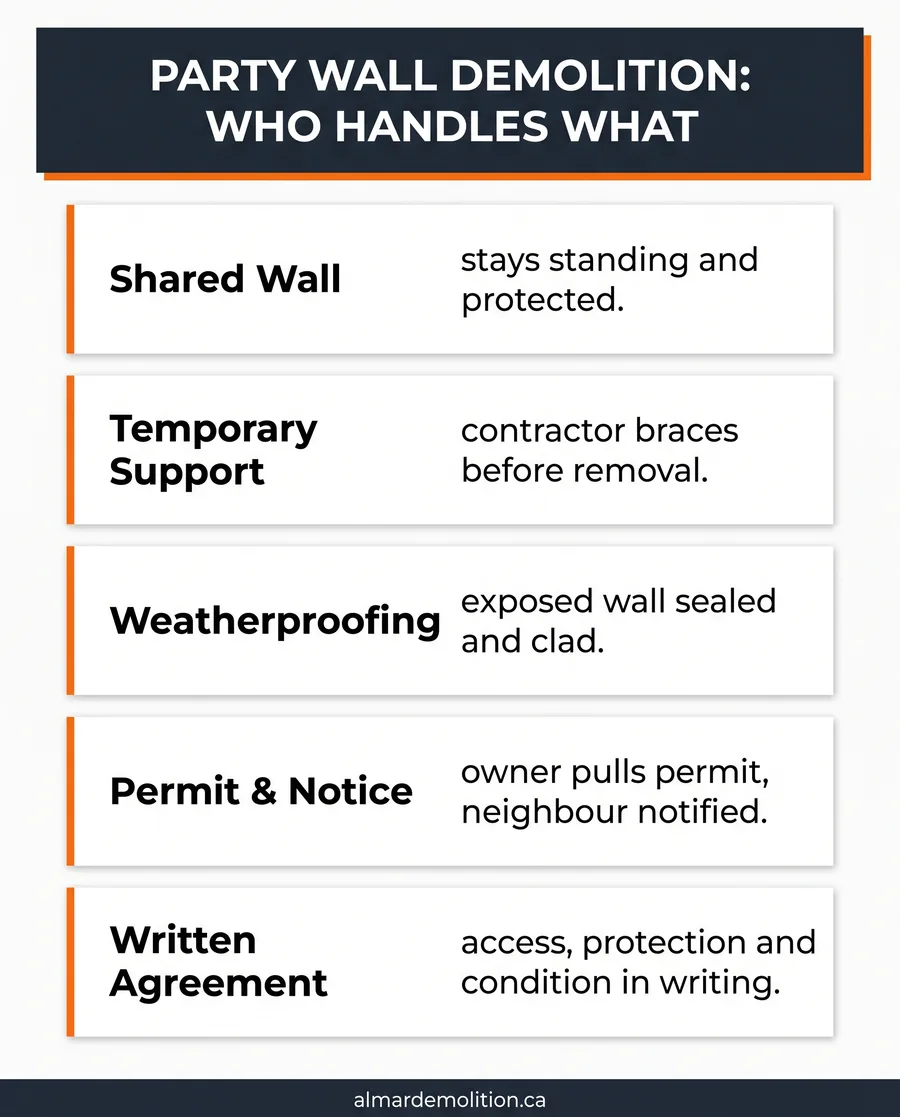
One of the most useful things you can do is get clear, early, on which side owns which duty. The table below lays out the common split between the owner demolishing their half and the neighbour who is staying put. Details vary by property and municipality, so use it as a starting frame for your own written agreement rather than a fixed rule.
| Consideration | The Half Being Demolished | The Attached Home Next Door |
|---|---|---|
| Shared party wall | Stays standing and must be protected | Becomes their new exterior wall |
| Temporary support | Contractor shores and braces before removal | Should see no new movement or cracking |
| Weatherproofing | New exposed wall is sealed and clad | Protected from rain, wind, and heat loss |
| Permit | Owner pulls the demolition permit | May be formally notified by the city |
| Written agreement | Puts access and protection in writing | Signs off on scope and boundary details |
| Insurance and records | Carries liability for the active work | Documents the home’s condition beforehand |
Permits and When to Bring In the Pros
This article is general information for GTA homeowners, not legal, structural, or engineering advice. Party wall situations and demolition permit rules vary by municipality and by property, and getting them wrong can put your neighbour’s home and your budget at risk. Always confirm your specific requirements with your local building department and a licensed demolition contractor before any work begins. ALMAR Demolition is not liable for actions taken based on this content.
Demolishing half of a semi almost always needs a demolition permit, because you are removing part of a structure that shares a wall and a boundary. Before you commit, work through these basics:
- Confirm the permit. Contact your municipal building department, confirm a demolition permit is required for a shared-wall teardown, and ask what documentation they need about the adjoining unit.
- Sort the neighbour agreement. Get access, protection, and before-and-after condition in writing with the owner next door before the crew mobilizes.
- Plan the shared wall’s future life. Decide how the party wall will be supported during the work and how it will be sealed, insulated, and clad once it is exposed.
- Check for hazards. Older semis can contain asbestos and lead paint, which must be tested and handled properly, especially near the shared wall and fire separation.
- Line up the right crew. Use a licensed demolition contractor experienced with attached homes, since separating cleanly from a party wall is not standalone teardown work.
- Keep records. Save your permit, the neighbour agreement, condition photos of both homes, and disposal receipts from start to finish.
The through-line is simple: a semi-detached demolition is a job where the quality of the planning shows up in whether your neighbour’s home comes through untouched. That is worth doing properly.
Download the Free Quick Guide
A one-page checklist to plan a semi-detached demolition without damaging the home next door.
Download the Free Party Wall Checklist (PDF)The Bottom Line Before You Demolish Half a Semi
Party walls turn a demolition into a two-household project. Understand what the shared wall does, agree the important points in writing, get your permit, and use a crew that knows how to separate cleanly from an attached structure. Handle those and a semi-detached teardown is straightforward. Skip them and it can become the kind of dispute that outlasts the demolition itself.
Frequently Asked Questions
Taking down half of a semi and want the shared wall handled right? ALMAR Demolition separates cleanly from party walls and protects the attached home throughout on semi-detached and larger attached-structure projects across Toronto, Mississauga, Brampton, and the wider GTA. Book a free estimate and we will walk the shared-wall plan with you before anything is touched.